Yibo Wen
CS PhD Candidate @ Northwestern
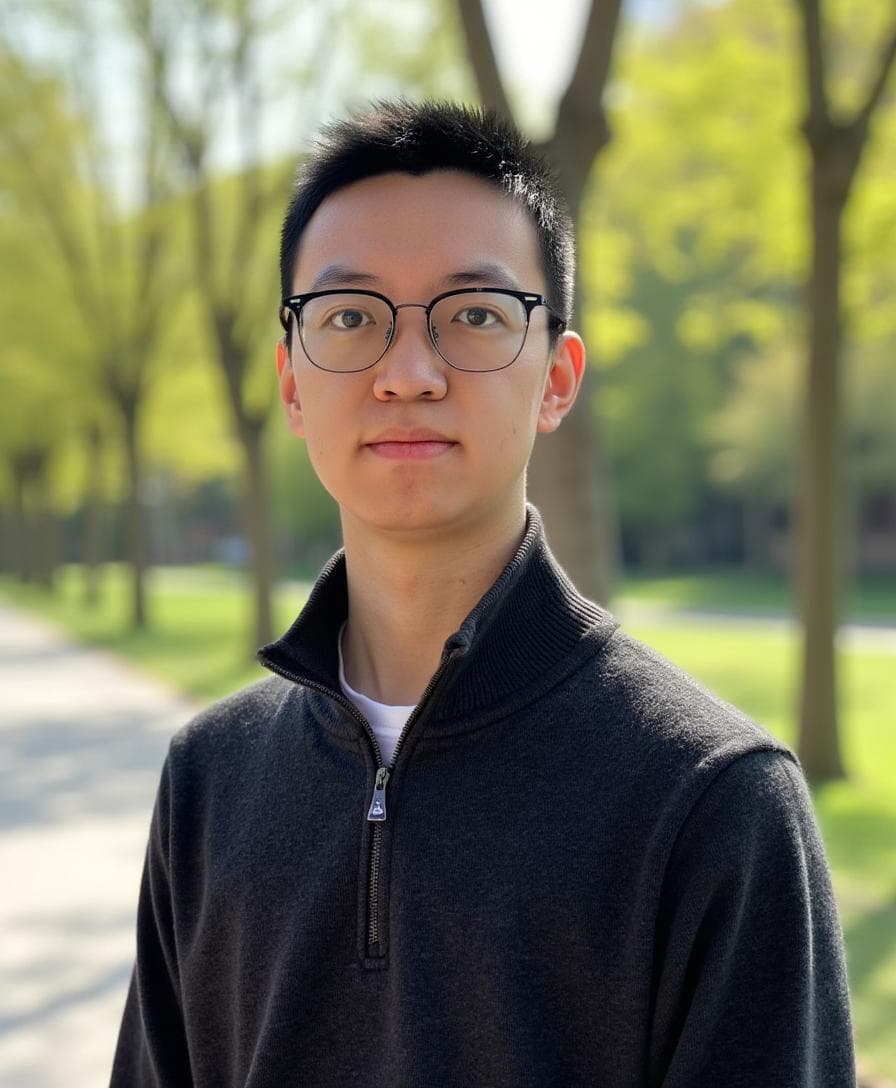
I am a 3rd year Computer Science Ph.D. candidate at Northwestern University, advised by Han Liu. My research focuses on AI for science, building AI systems that run experiments, learn from results, and accelerate scientific discovery. Previously, I worked on virtual cell models with the Chan Zuckerberg Biohub and on AI-driven drug discovery with AbbVie. I completed my undergraduate studies also at Northwestern, with prior research experience in Computer Graphics at the USC Institute for Creative Technologies and Sony Research.
I am particularly interested in representation learning and post-training methods that work at different scales, from molecules and cells to full experimental systems, and that transfer across scientific domains. Beyond research, I am passionate about tennis, digital design and startups.


News
I was awarded the AI4Energy Fellowship by the Trienens Institute at Northwestern.
Two paper were accepted to ICML 2026.
Two paper were accepted to ACL 2026.
Our paper AlignAb was accepted to NeurIPS 2025.
I joined the Chan Zuckerberg Biohub Chicago as a research intern.
I presented our work on model alignment at AbbVie.
I started my Ph.D. journey in the Computer Science Department at Northwestern University.
I joined the Vision & Graphics Lab at the USC Institute for Creative Technologies as a research intern.
Some Projects
Autonomous Science Bench
A benchmark for AI systems that run autonomous laboratories. Tasks come from the working experiments of real labs, and agents run closed-loop campaigns across biology, chemistry, and materials, planning experiments, reading results, and improving round by round.

A System One Approach to General Protein Evolution
Pev, a System One model for protein design in the spirit of Jev: a general mutation policy that encodes a protein once and scores every single-residue edit in parallel, returning calibrated probabilities using one set of weights, generalizable on families it has never seen.
Selected Publications
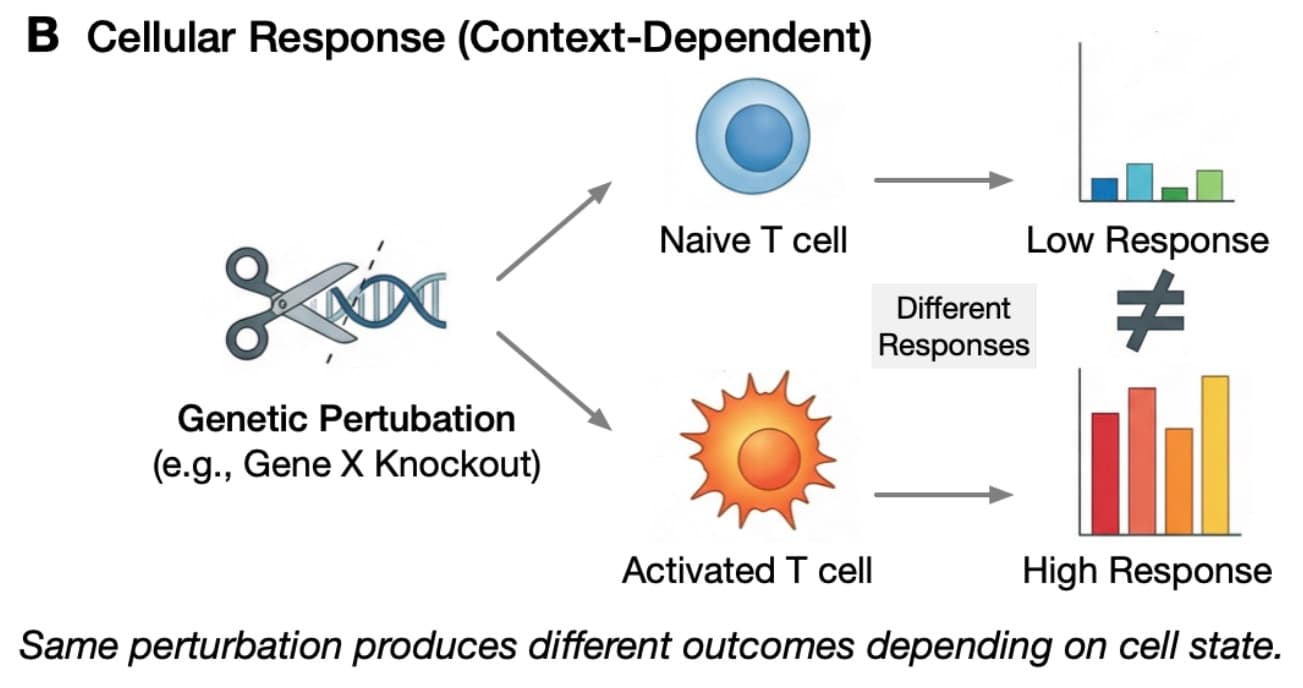
Virtual Cells Need Context, Not Just Scale
Payam Dibaeinia, Sudarshan Babu, Mei Knudson, Ali ElSheikh, Yibo Wen, Han Liu, Jason Perera, Aly A. Khan
ICML 2026
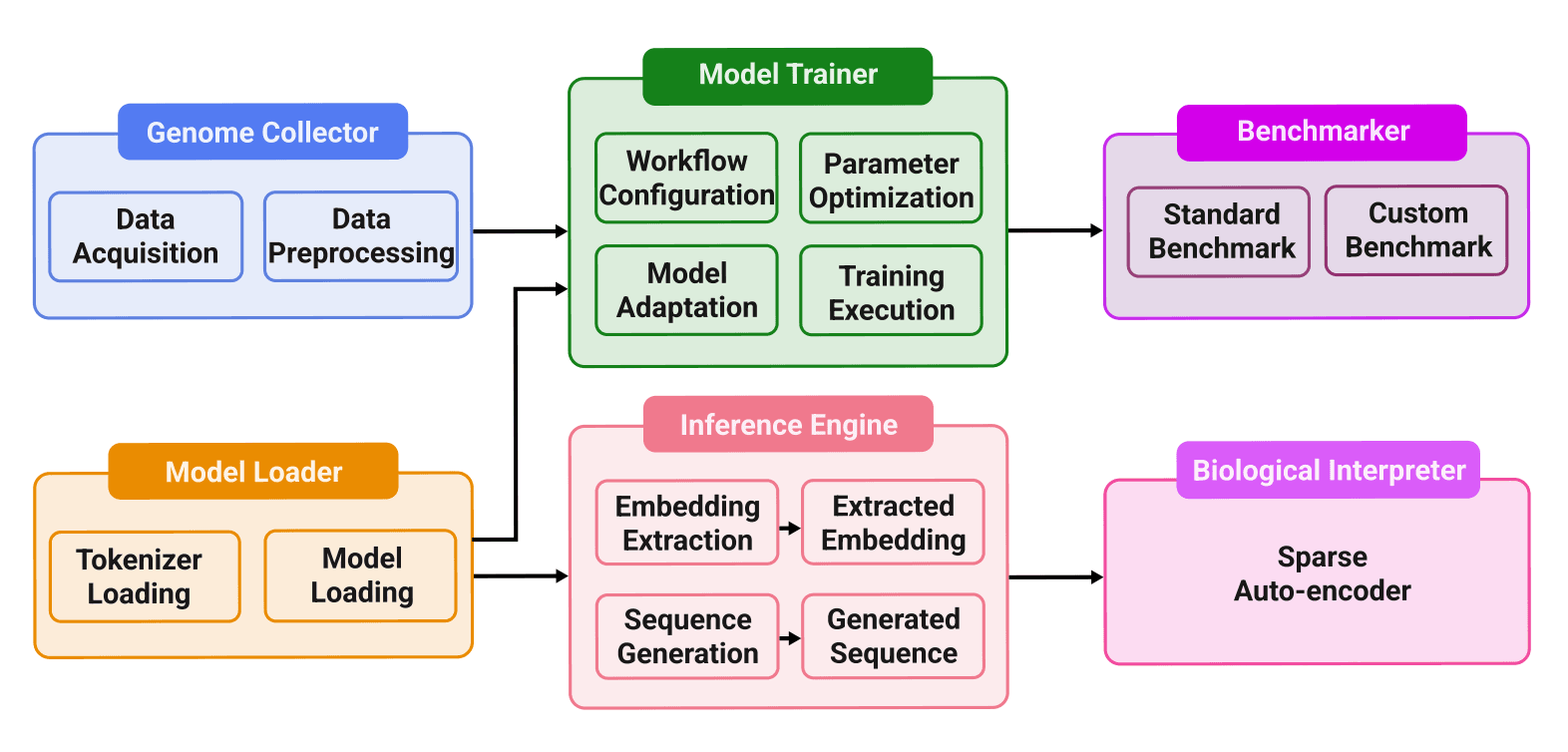
Genome-Factory: An Integrated Library for Tuning, Deploying, and Interpreting Genomic Models
Weimin Wu*, Xuefeng Song*, Yibo Wen*, Qinjie Lin, Zhihan Zhou, Jerry Yao-Chieh Hu, Zhong Wang, Han Liu
ICML 2026
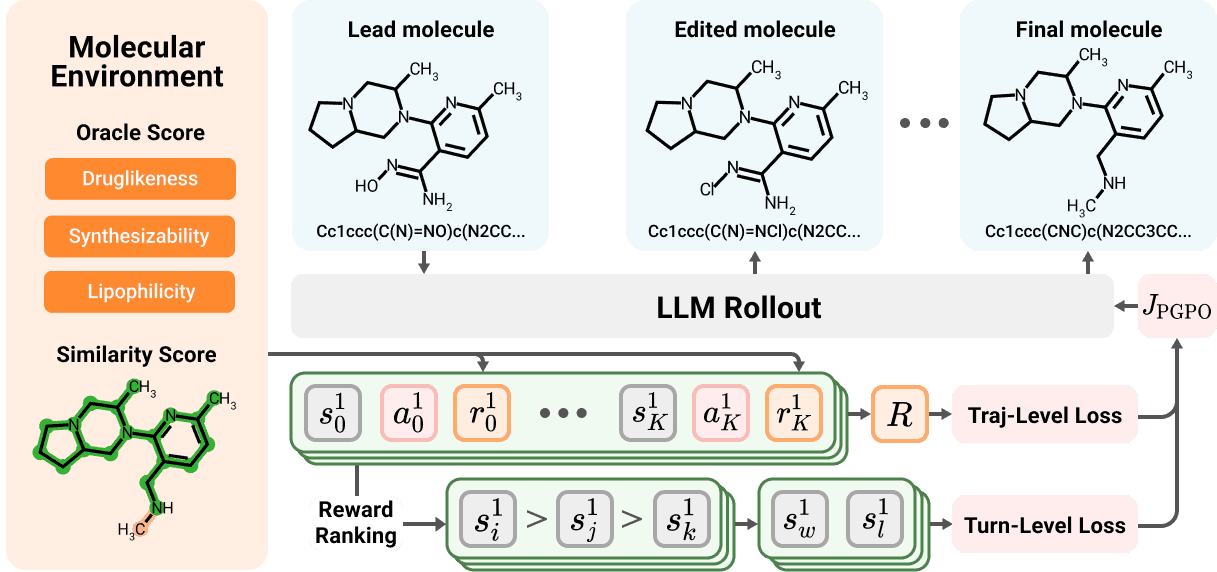
POLO: Preference-Guided Multi-Turn Reinforcement Learning for Lead Optimization
Ziqing Wang*, Yibo Wen*, William Pattie, Xiao Luo, Weimin Wu, Jerry Yao-Chieh Hu, Abhishek Pandey, Han Liu, Kaize Ding
KDD 2026 (Oral)
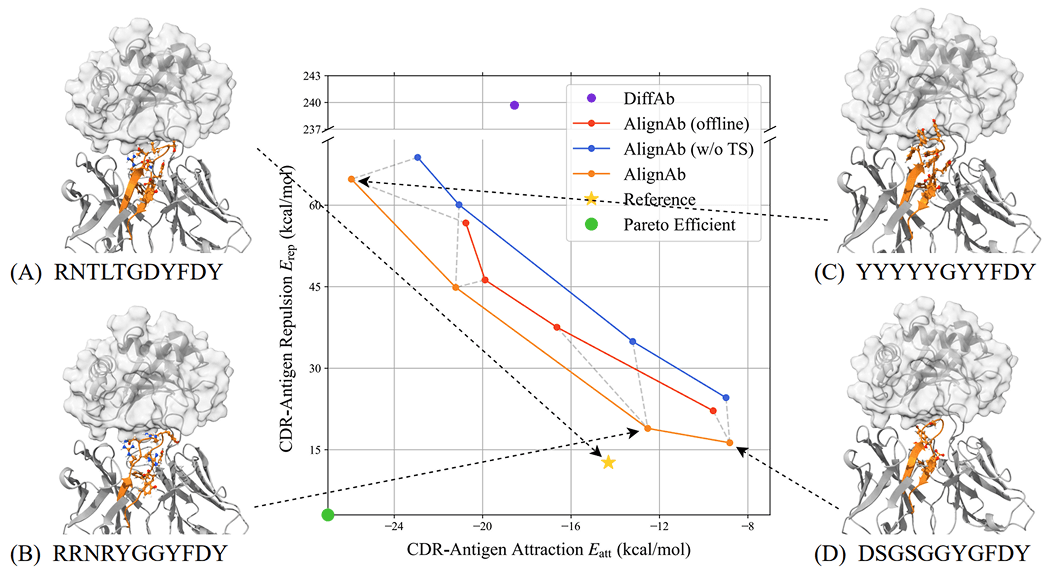
AlignAb: Pareto-Optimal Energy Alignment for Designing Nature-Like Antibodies
Yibo Wen, Chenwei Xu, Jerry Yao-Chieh Hu, Han Liu
NeurIPS 2025
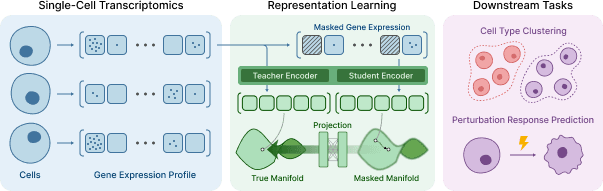
Cell-JEPA: Latent Representation Learning for Single-Cell Transcriptomics
Ali ElSheikh, Rui-Xi Wang, Weimin Wu, Yibo Wen, Payam Dibaeinia, Jennifer Yuntong Zhang, Jerry Yao-Chieh Hu, Mei Knudson, Sudarshan Babu, Shao-Hua Sun, Aly A. Khan, Han Liu
In Submission
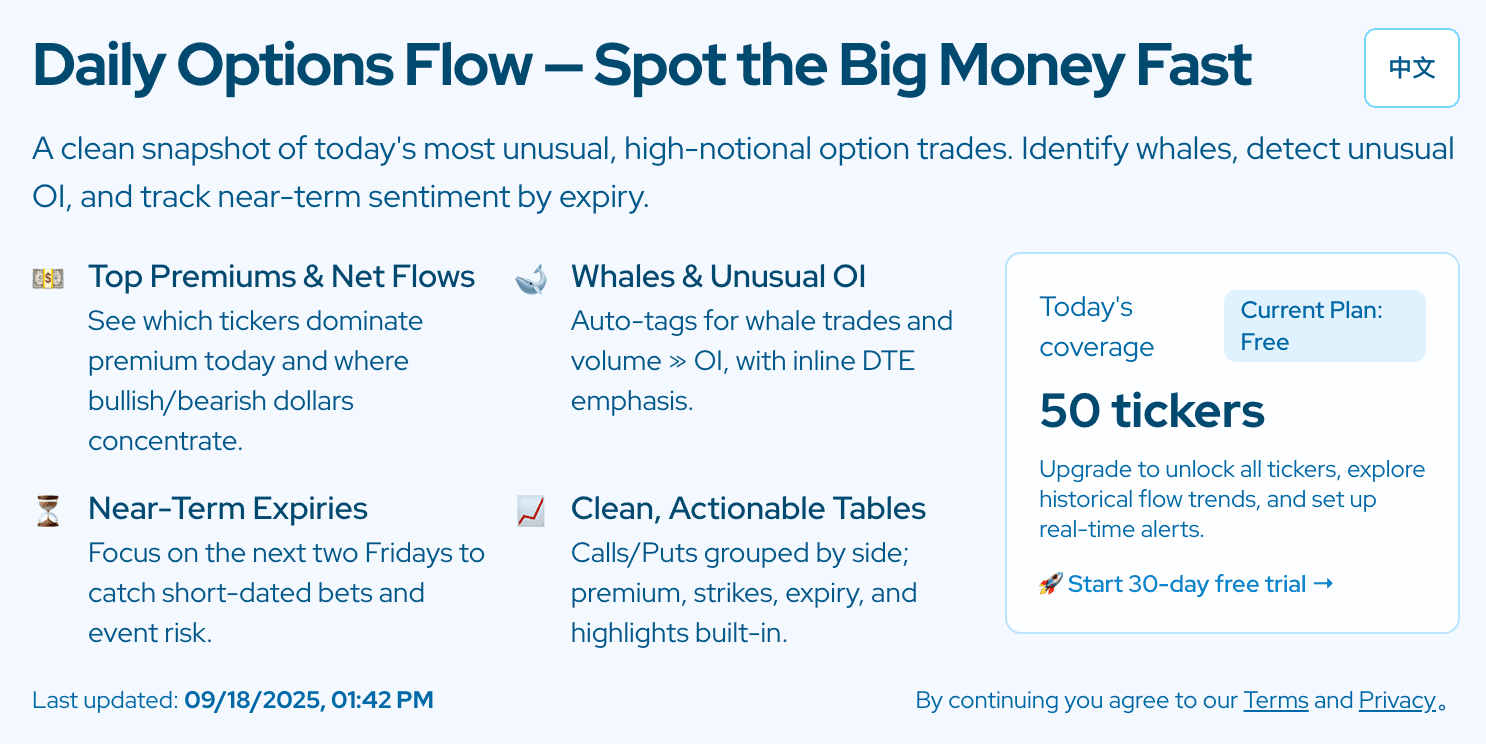
Options Flow
Daily snapshot of unusual, high-notional option trades with features like auto-tagged whale activity, volume ≫ OI detection, near-term expiry tracking, and actionable tables—helping traders quickly spot where big money is moving in the market.
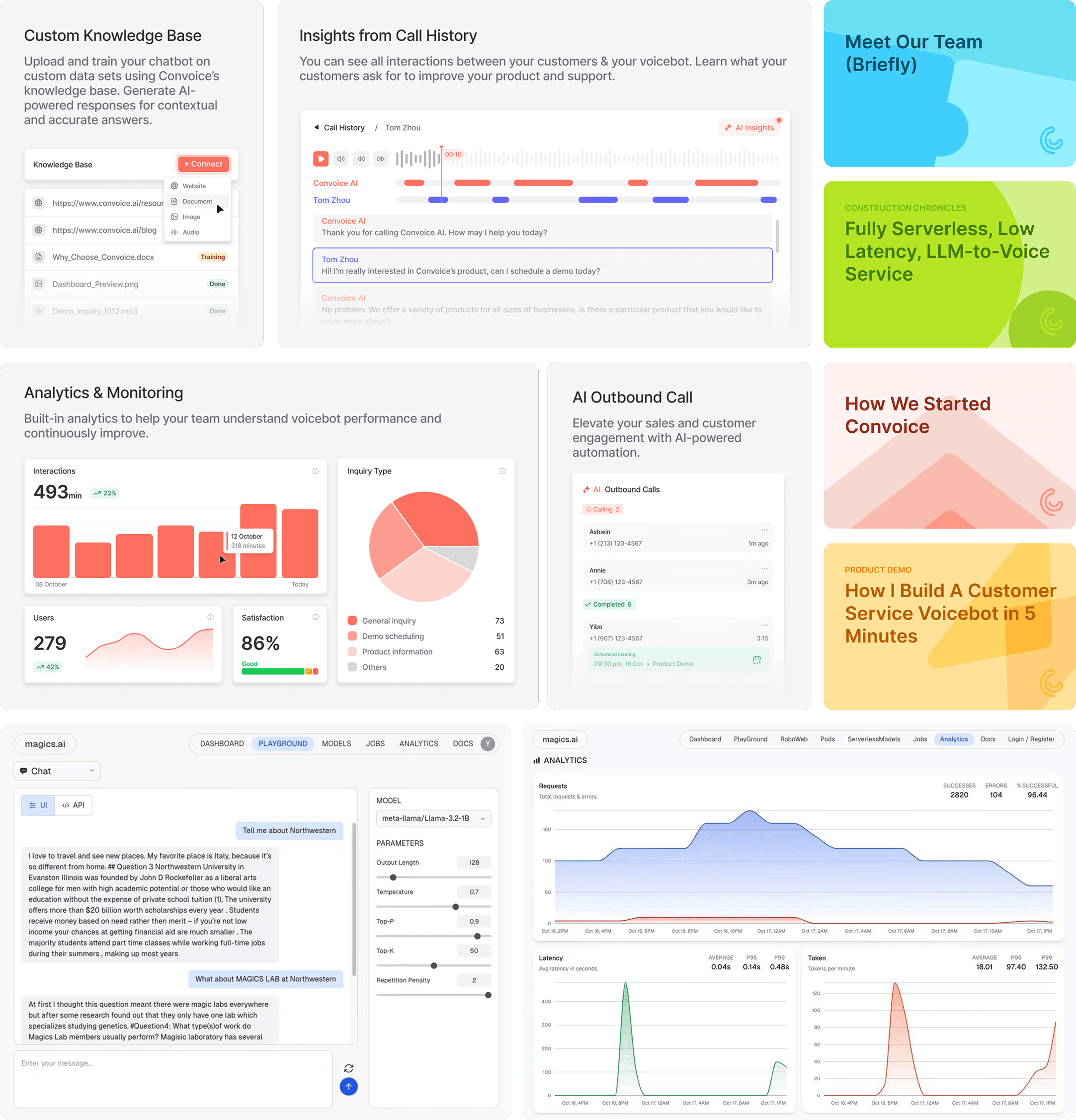
Convoice AI
Convoice enables you to build and deploy custom voicebots with ease, automating both inbounding and outbounding calls.
Built an engineering team of 4 person from scratch, designed all branding and interfaces, collaborated with large call centers and health industry leaders to automate customer service and sales support.
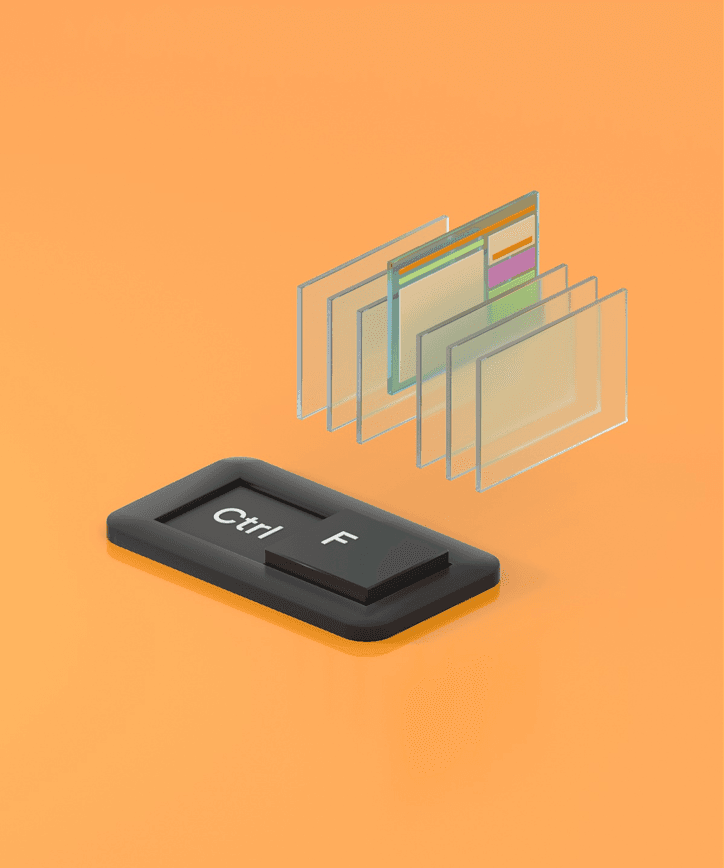
Ctrl+F Platform
The mission of Ctrl+F Platform is to connect students with on-campus academic opportunities. Together with 4 other USC students, we helped to connect students with 100+ research and teaching assistant opportunities on campus.
We won the first place in 2022 Viterbi ABC Innovation Prize and received $6000 prize money from Viterbi School of Engineering.
Website Design & Development
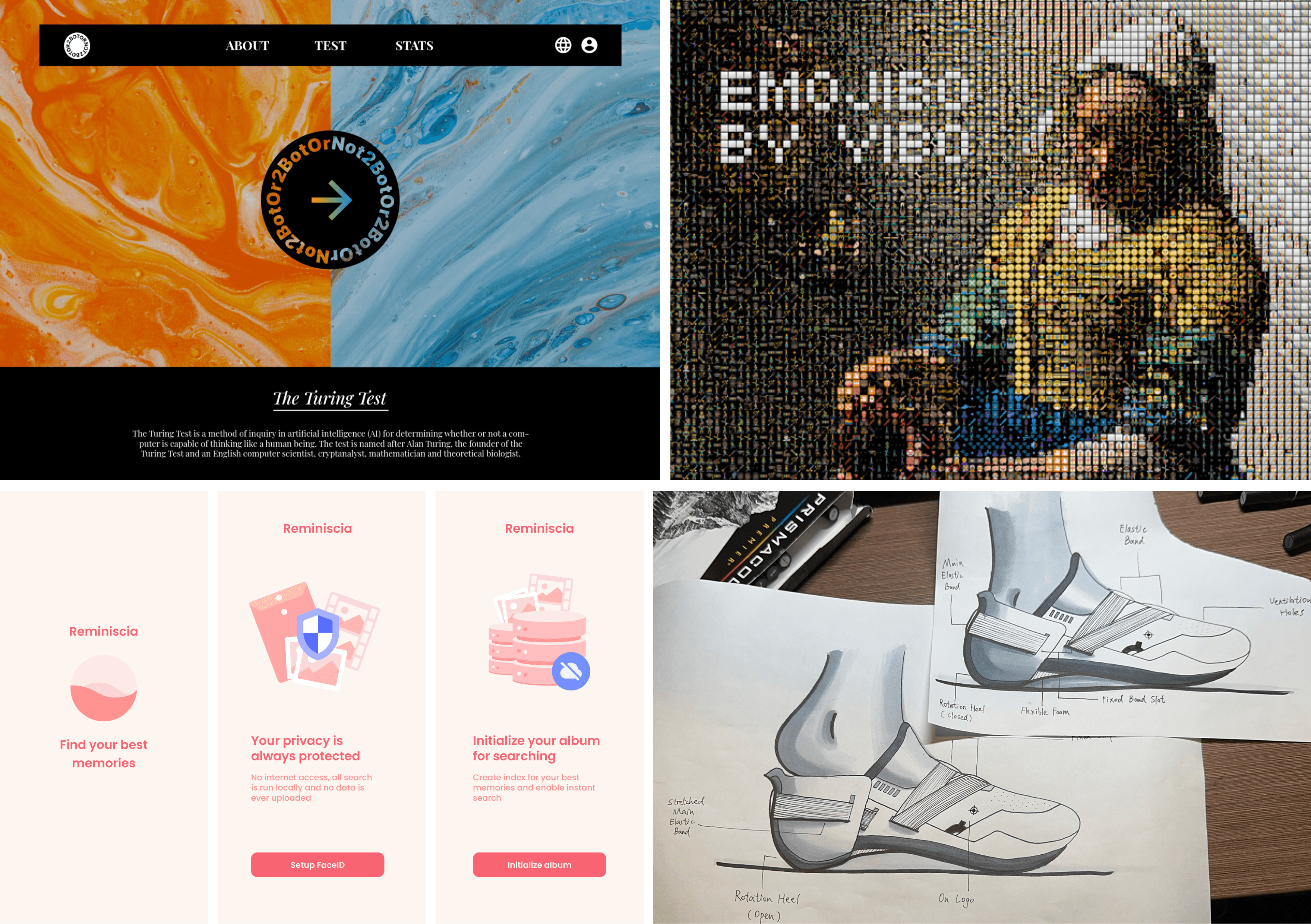
Personal Projects
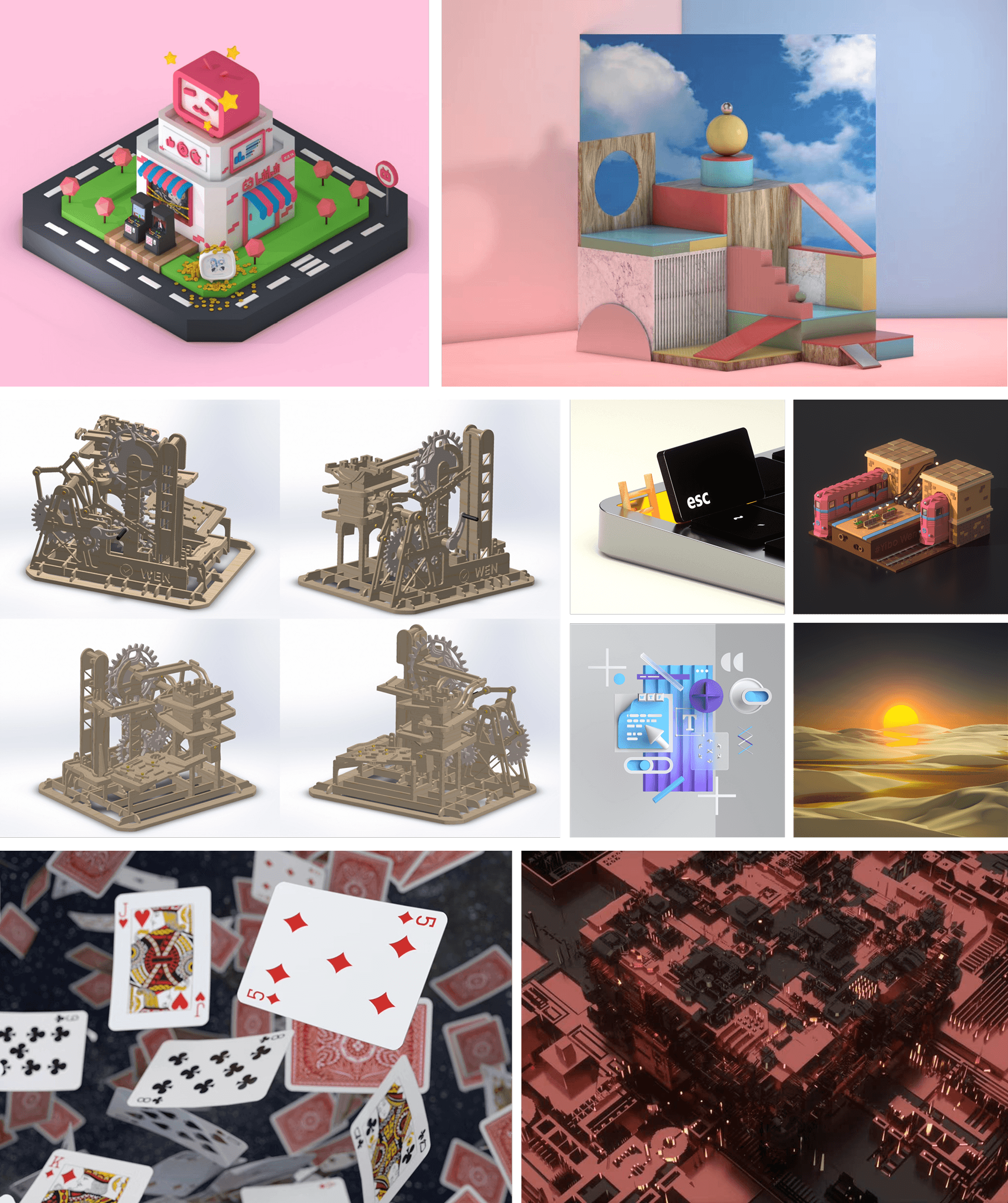
Modeling & Rendering
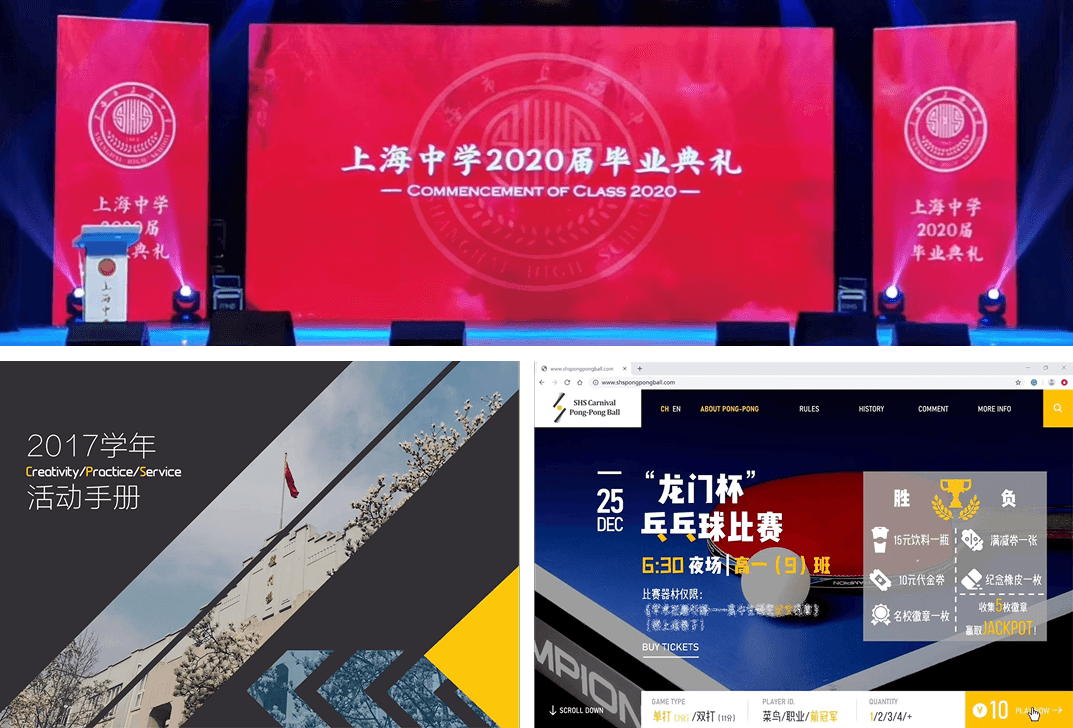
Student Union @ Shanghai High School
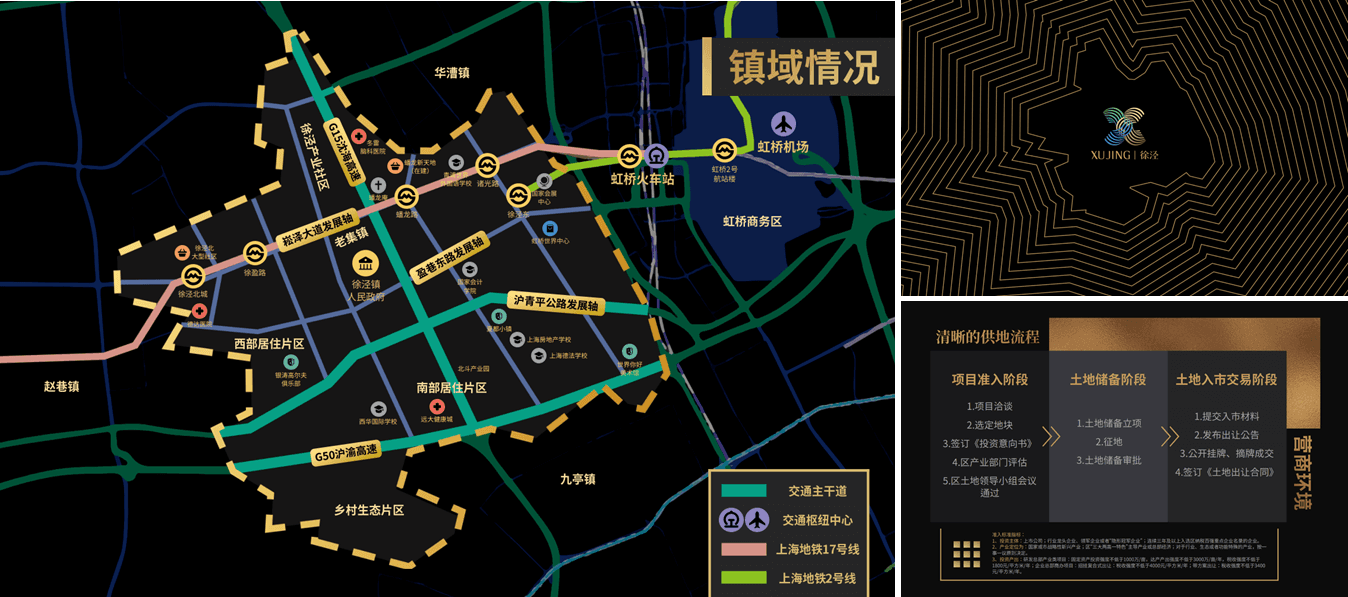
Investment Brochure for Xujing District, Shanghai
If you need help with digital design or website development, feel free contact me!